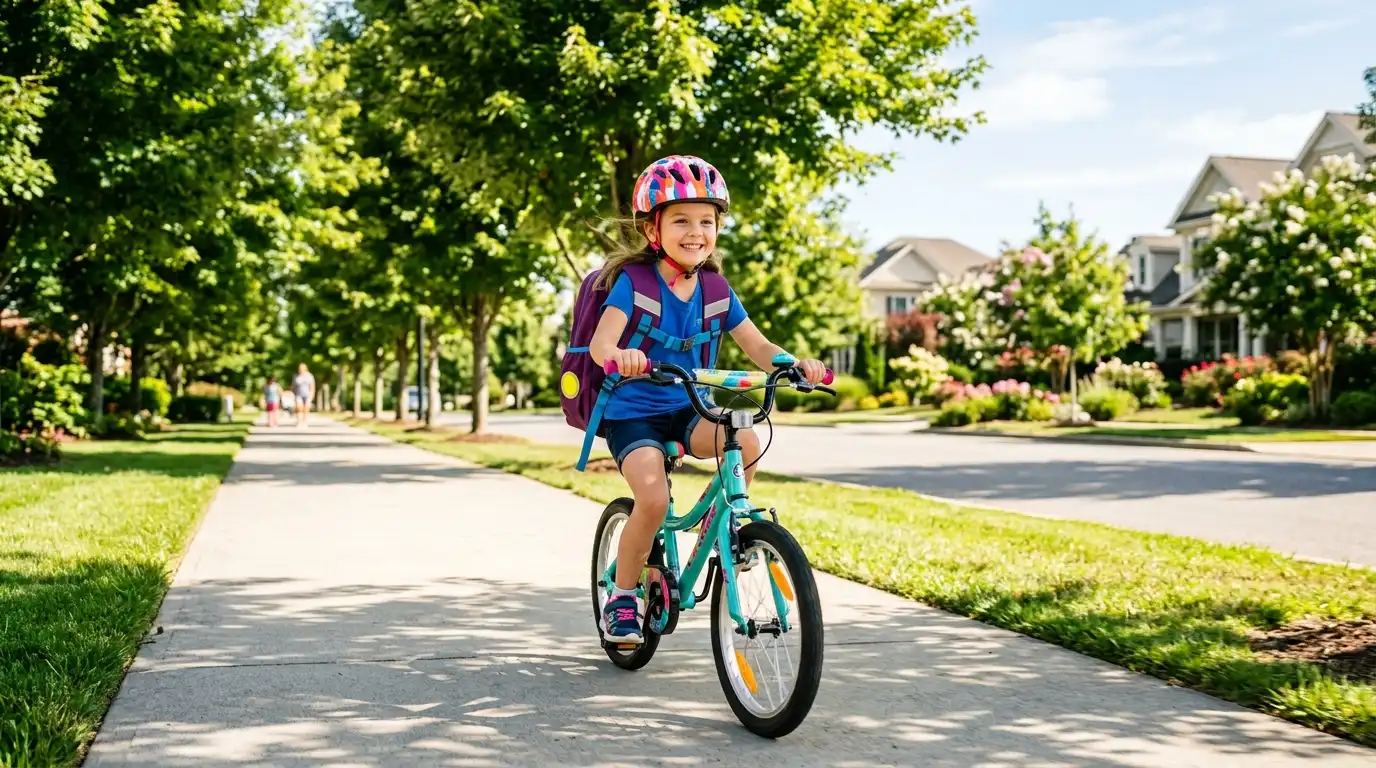
Riding a bike to school offers children independence, outdoor exercise, and a fun morning routine. Equipping young riders with essential elementary bike safety rules and proper gear ensures every commute remains safe, predictable, and enjoyable.
Empowering Young Cyclists for a Safe School Commute
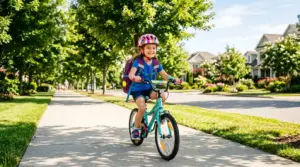
Bicycles are often a child’s very first vehicle, offering them a taste of independence and a healthy way to commute to neighborhood elementary schools. However, navigating residential streets, driveways, and busy school drop-off zones requires more than just knowing how to balance and pedal. Young riders must develop spatial awareness, learn basic traffic concepts, and build habitual safety routines before hitting the pavement.
Teaching elementary bike safety rules early establishes lifelong safe riding habits. By instilling proper helmet usage, street awareness, and simple hand signals, parents and educators can significantly reduce the risk of bike-related incidents and foster a culture of confident, safe cycling throughout the neighborhood.
Rule 1: Master the “Eyes, Ears, and Chin” Helmet Fit Test
 A properly fitted helmet is the single most critical piece of safety equipment for any young cyclist. According to pediatric safety studies, wearing a correctly adjusted helmet reduces the risk of head and brain injuries by up to 85%. However, a helmet that sits too far back or loose on the head provides minimal protection during an impact.
Teach your elementary student the simple “Eyes, Ears, and Chin” rule before every ride:
- Eyes (The 2-Finger Rule): The helmet should sit level on the head, resting roughly two finger-widths above the eyebrows. If your child looks up and cannot see the front rim, the helmet is tilted too far back.
- Ears (The V-Shape): The side straps should form a tight “V” shape right under each earlobe when buckled.
- Chin (The Yawn Check): Buckle the chin strap so that no more than one finger fits between the strap and the chin. When your child opens their mouth wide in a yawn, the helmet should pull down gently on top of their head.
For detailed recommendations on selecting certified helmets and evaluating safety standards, review the official guidance provided by the National Highway Traffic Safety Administration (NHTSA) Bicycle Safety Program.
Rule 2: Perform the Pre-Ride “ABC Quick Check”
Mechanical failures cause thousands of preventable bicycle accidents every year. Before leaving the driveway each morning, teach your student to perform a 30-second equipment inspection known as the ABC Quick Check:
- A is for Air: Squeeze both tires firmly. Tires should feel firm, not squishy or flat. Check the tire sidewall for proper pressure ratings.
- B is for Brakes: Squeeze the brake levers or pedal backward (for coaster brakes) while pushing the bike forward to ensure the wheels stop completely and smoothly.
- C is for Chain and Crank: Inspect the bike chain to make sure it is clean, oiled, and seated firmly on the gears without loose links.
- Quick Check: Ensure quick-release levers on the wheels and seat post are tightly closed and that handlebars are straight.
Rule 3: Ride Predictably and Follow the Direction of Traffic
A common misconception among young cyclists is that bicycles should face oncoming traffic like pedestrians do. In reality, bicycles are legally classified as vehicles in most jurisdictions and must follow the same rules of the road as cars.
Crucial Traffic Rules for Young Riders:
- Ride on the Right: Always travel in the same direction as vehicular traffic, staying as far to the right side of the road or bike lane as practical.
- Ride Single File: When riding in groups or alongside parents, students should always ride single file rather than side-by-side to allow motor vehicles ample space to pass safely.
- Stop at All Stop Signs and Red Lights: Bicycles must obey all traffic signals and road signs. Teach children that stopping completely and scanning in all directions is mandatory at every intersection.
- Scan Before Turning or Merging: Teach students to look over their left shoulder (“shoulder check”) for approaching vehicles before swerving around parked cars or changing lanes.
Rule 4: Learn and Practice Basic Hand Signals
Predictability is vital when sharing the road with automobiles, pedestrians, and other cyclists. Teaching elementary students basic hand signals allows them to communicate their intentions clearly to driver behind them.
Practice these three basic hand signals together on quiet neighborhood driveways or parks:
- Left Turn: Extend the left arm straight out horizontally to the left side.
- Right Turn: Extend the left arm out and bend it upward at a 90-degree angle at the elbow (or extend the right arm straight out to the right).
- Stop or Slowing Down: Extend the left arm out and bend it downward at a 90-degree angle with the palm facing backward.
Rule 5: Stay Visible, Avoid Distractions, and Scan Driveways
Elementary students are smaller than adults and often hard for motorists to see—especially when backing out of residential driveways or turning at busy school intersections.
Proactive Visibility and Hazard Rules:
- Wear High-Visibility Gear: Encourage bright clothing, neon outerwear, or reflective backpack attachments, particularly during low-light morning hours.
- Watch for Backing Cars: Teach children to slow down and look into car windows for drivers when passing residential driveways, parking lot exits, or parked cars on the curb.
- Keep Both Hands on the Handlebars: Avoid carrying loose objects; backpacks should be securely worn over both shoulders.
- Eliminate Distractions: Never allow headphones, earbuds, or phone use while riding. Full auditory awareness of surrounding traffic, horns, and sirens is essential.