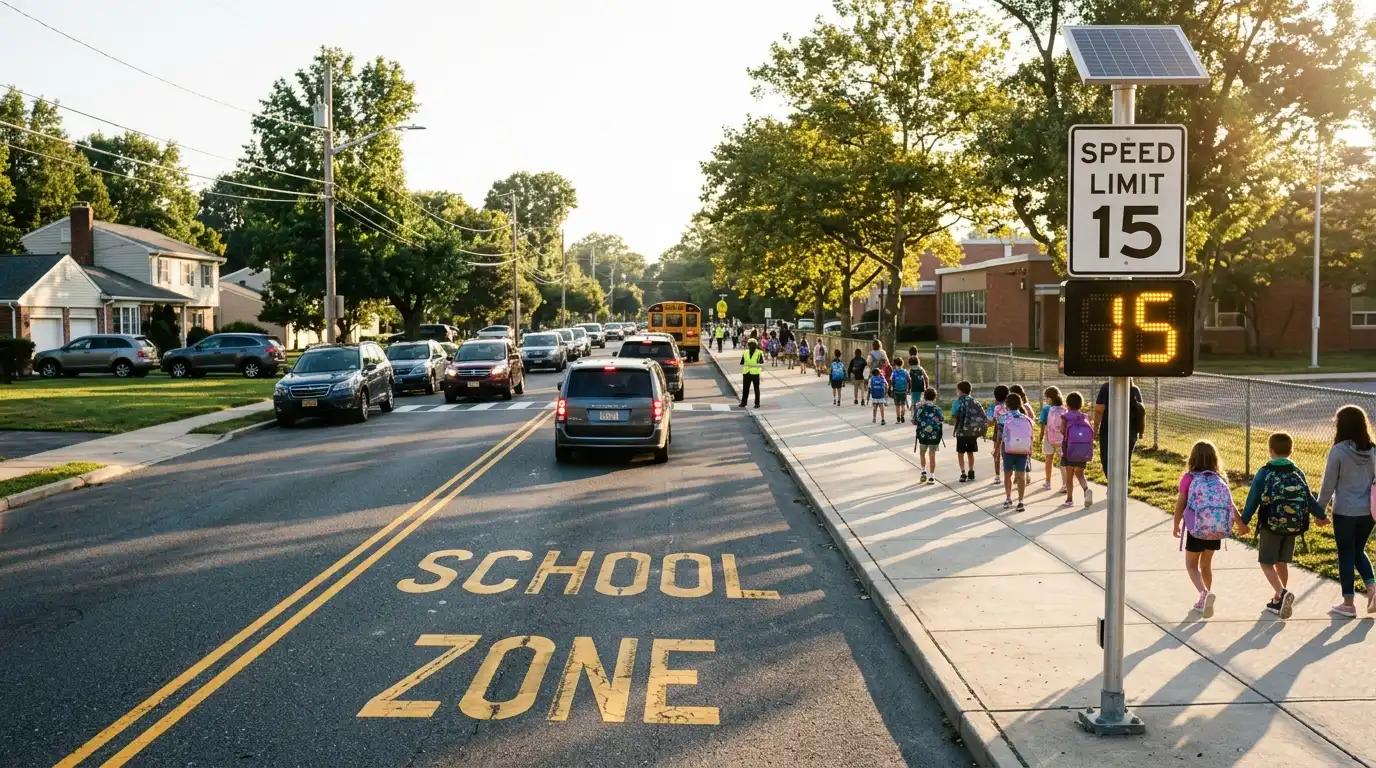
Morning arrival at elementary schools can often feel like a chaotic puzzle of traffic congestion, idling vehicles, crowded bus drop-off lanes, and rushed parents. Beyond the stress created in school parking lots, heavy vehicular traffic around campuses presents significant safety risks for students walking or biking to class. Implementing a walking school bus program provides a practical, community-driven solution that transforms the daily school commute into a safe, active, and enjoyable routine for students and families.
Whether you are a classroom teacher, physical education instructor, principal, or parent-teacher association (PTA) organizer, this comprehensive walking school bus program guide delivers a clear blueprint to launch and sustain a successful initiative in your local school district. By coordinating supervised group walks, schools can improve morning punctuality, boost physical health, reduce carbon emissions, and build a stronger neighborhood spirit.
What Is a Walking School Bus?
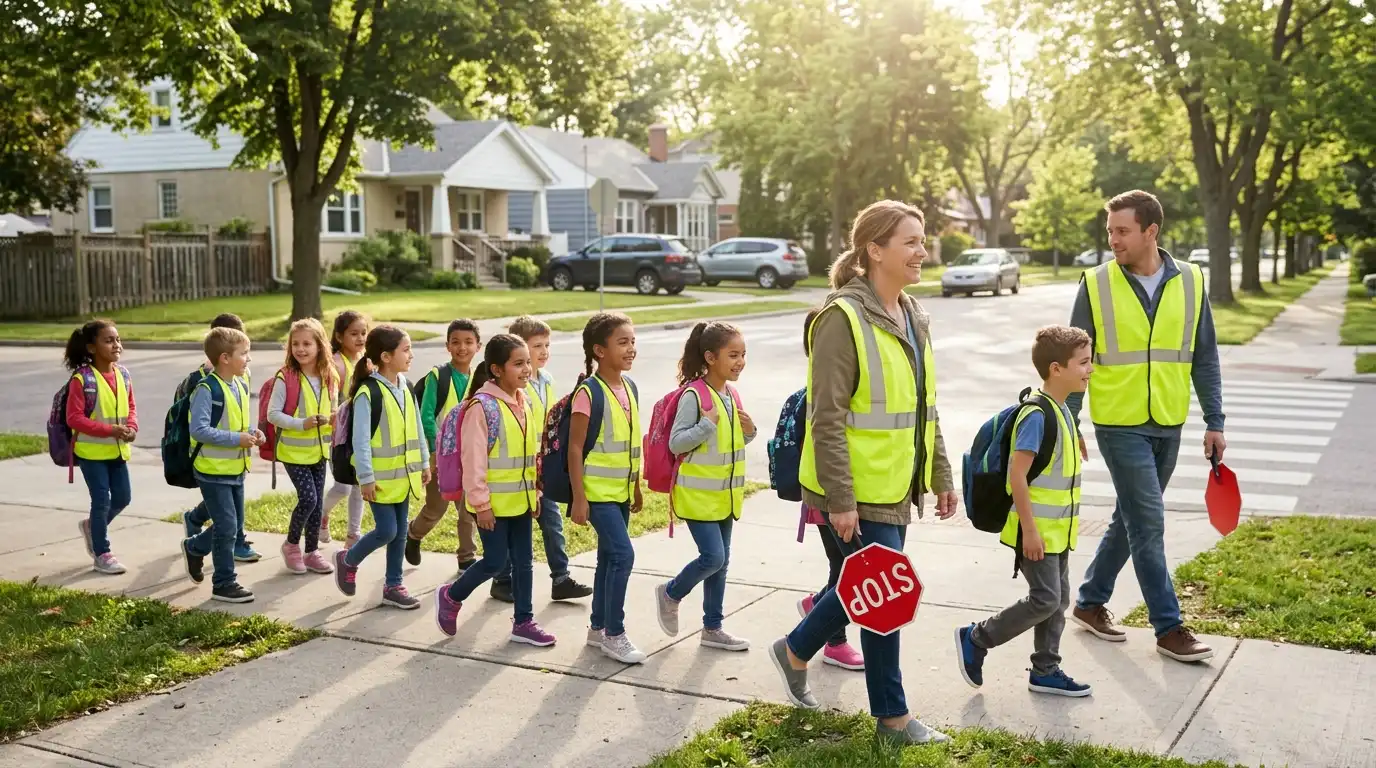
At its core, a walking school bus operates like a traditional motor bus, but with foot power instead of an engine. Groups of children walk together along set neighborhood routes under the supervision and guidance of adult volunteers, such as teachers, parents, or community leaders.
Walking school buses typically fall into two categories:
- Informal Neighborhood Groups: Small, flexible arrangements formed by two or three neighboring families who alternate daily supervisory duties walking their kids to campus.
- Formal School-Wide Initiatives: Structured programs organized by school administrators or parent organizations featuring designated pick-up stops, published timetables, high-visibility gear, and trained volunteer leaders.
Regardless of scale, formal programs establish predictable schedules so parents know exactly when and where their children join the group, giving working families flexibility while giving kids exercise before the first school bell rings.
Key Benefits for Students, Teachers, and Schools
Launching a structured walking route produces positive effects across the entire school ecosystem. When students start their day moving actively outdoors, the benefits carry straight into the classroom environment.
Major advantages include:
- Enhanced Focus and Classroom Readiness: Regular morning physical activity boosts student mood, burns off excess energy, and increases mental focus, helping kids arrive at their desks refreshed and ready to learn.
- Reduced Traffic Congestion and Cleaner Air: Consolidating dozens of individual family car trips into unified walking routes drastically decreases vehicular traffic near school zones, cutting down on dangerous idling and localized air pollution.
- Improved Attendance and Punctuality: Having a reliable group pick-up schedule encourages children to get ready on time, directly combating chronic tardiness and unexcused morning absences.
- Hands-On Pedestrian Safety Skills: Walking in a supervised group teaches children how to read pedestrian signals, navigate crosswalks, check for turning vehicles, and practice real-world road awareness under adult supervision.
Step-by-Step Blueprint to Launch Your Program
Establishing a successful program does not require a massive budget, but it does benefit from deliberate planning, clear communication, and careful safety coordination.
Step 1: Conduct a Neighborhood Route Safety Audit
Before inviting students to join, organizers must evaluate potential walking paths. Map out neighborhoods surrounding the school and conduct physical walk-through inspections to assess street safety.
During your safety audit, look for key infrastructure elements:
- Continuous, well-maintained sidewalks free of major obstructions or dangerous drop-offs.
- Signalized intersections, marked crosswalks, and designated crossing guard stations along the route.
- Manageable street crossings with adequate traffic control and clear sightlines for drivers.
- Safe “bus stop” collection points where children can gather safely away from roadway traffic.
For official planning standards and national safety guidelines regarding student walking routes, consult recommendations established by the Pedestrian and Bicycle Information Center to ensure your paths meet essential road safety standards.
Step 2: Recruit and Screen Volunteer Leaders
The strength of any walking school bus relies on its volunteer workforce. Reach out to parent-teacher organizations, retired community members, senior groups, and school staff to build a dependable pool of route leaders.
Ensure all adult volunteers undergo standard school district background checks, clear child safety screenings, and attend a brief orientation covering route guidelines, basic first aid, emergency contact procedures, and crossing techniques.
Step 3: Establish Clear Operational Protocols
Consistency creates safety. Establish simple rules that every participant—adults and children alike—must follow:
- Leader-to-Student Ratios: Maintain a minimum ratio of one adult volunteer for every six to eight elementary students (or one-to-four for younger kindergarten and first-grade groups).
- High-Visibility Gear: Equip adult leaders with bright safety vests, stop paddles, and first-aid kits. Provide participating children with reflective backpack clips or matching vests.
- Check-In Procedures: Use simple roster sheets or digital app sign-ins so leaders can track which students join or leave the group along the route.
To access broader public health statistics and research supporting active youth transport, review active commuting resources provided by the Centers for Disease Control and Prevention.
Step 4: Engage Families and Secure Permission Slips
Draft clear informational fliers explaining the program’s schedule, routes, safety rules, and physical benefits. Distribute permission forms requiring parent signatures, emergency phone contacts, and medical alert disclosures prior to a student’s first walk.
Integrating Pedestrian Safety into Classroom Lessons
A walking school bus initiative yields the best results when paired with active classroom education. Teachers can weave pedestrian safety and healthy habits into existing curriculum subjects:
- Mathematics: Have students track step counts, calculate distance traveled, chart average walking speeds, or graph total vehicle trips eliminated by month.
- Science and Ecology: Discuss how walking reduces vehicular emissions, improves local air quality, and protects regional ecosystems.
- Physical Education and Health: Teach student groups about cardiovascular wellness, personal spatial awareness, and proper road safety signals.
Sustaining Momentum Year-Round
To keep interest high, organize special event days throughout the school year. Participate in national initiatives like International Walk to School Day, introduce theme walks (such as “Crazy Sock Day” or seasonal nature walks), and celebrate milestone steps with small awards or school assembly recognitions.
Final Thoughts: Building a Walkable School Community
Launching a walking school bus program is one of the most effective, low-cost steps a school can take to promote student wellness, improve campus traffic conditions, and cultivate a sense of community. By combining careful route planning, dedicated volunteer oversight, and enthusiastic classroom support, teachers and school leaders can create a lasting culture of safe, active travel that benefits students for years to come.